Your pup flops, spins, or just stares blankly when you say “sit.” It’s frustrating—especially after watching flawless training reels online. You’re not failing. Most guides skip the messy middle where real learning happens. Here’s how to troubleshoot puppy sit errors without losing your cool—or your dog’s trust.
Why “Just Lure and Reward” Often Backfires
Luring with a treat seems intuitive. Hold it over their head, they look up, hips drop—boom, sit. But here’s the reality: many puppies either jump, back up, or freeze instead of sitting cleanly. And if you repeat the cue while they’re confused, you accidentally teach them that “sit” means “do anything but sit.”
Dogs don’t generalize like humans. A pup who sits perfectly on carpet might refuse on grass—not because they’re stubborn, but because the sensory input changed. Miss this nuance, and you’ll chase false “disobedience” for weeks.
How to troubleshoot puppy sit errors: A step-by-step reset
Forget perfection. Aim for clarity. Start fresh—even if your pup “sort of” knows sit.
Capture the behavior first, name it later
Instead of luring, wait. Sit quietly near your pup with treats ready. The moment their rear touches the floor—even by accident—mark it (“Yes!”) and reward instantly. Do this 5–10 times in low-distraction areas. Now they associate the *action* with payoff, not just following your hand.
Use physical guidance sparingly—and correctly
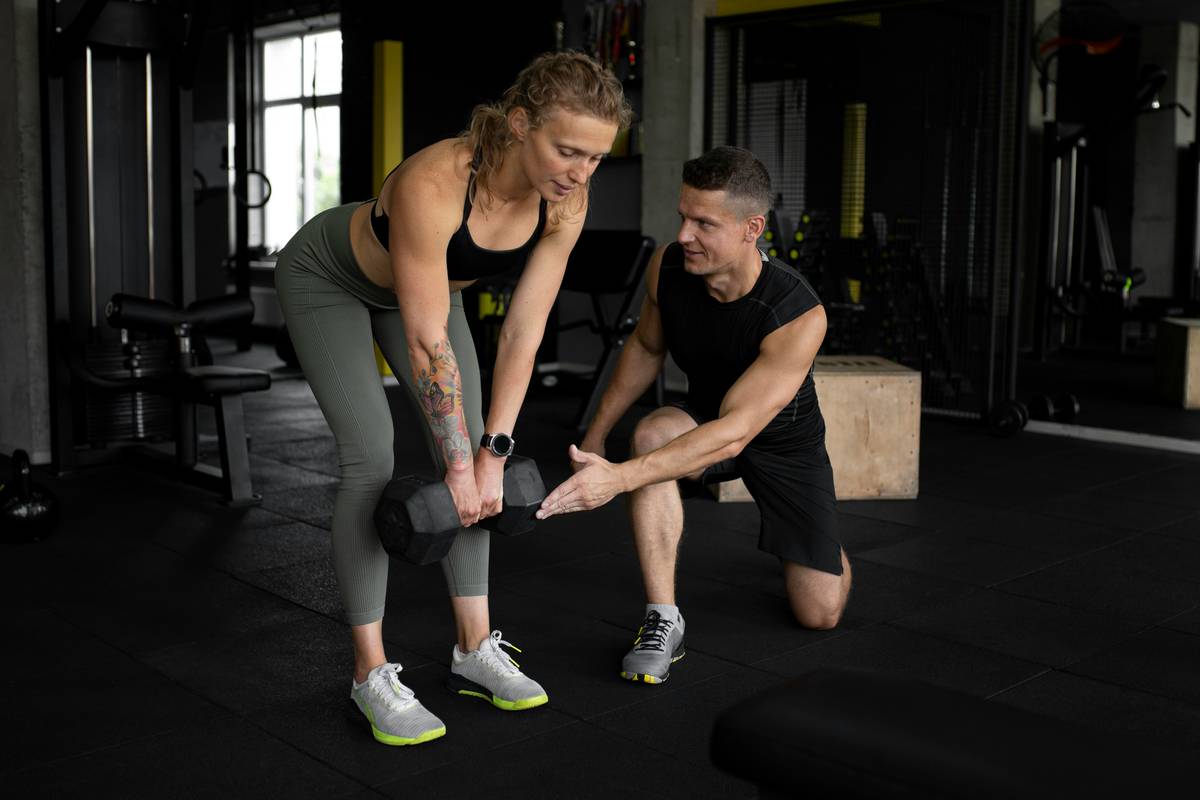
Gently press down on the rump? Only if your pup is already lowering. Never force. Better: place one hand under their chest to prevent forward motion while using a treat to encourage upward focus. This isolates the hip-drop motion without triggering resistance.
Short bursts, zero pressure
Three 90-second sessions per day beat one 10-minute drill. End on success—even if it’s tiny. Your goal isn’t obedience theater. It’s building neural pathways that link “sit” → action → joy.
| Common Error | Why It Happens | Fix That Works |
|---|---|---|
| Pup jumps at treat | Treat held too high or moved too fast | Hold treat level with eyes, then slowly shift back over shoulders—only 2 inches max |
| Hips lift instead of dropping | Pup anticipates forward motion (like “go!”) | Practice against a wall or corner to block forward movement |
| Sits sideways or crooked | Imbalance, excitement, or slippery floor | Train on non-slip mat; reward only straight sits |
| Ignores cue entirely | Cue repeated during failure = poisoned cue | Rename command (“settle” or “park”) and rebuild from scratch |
The industry secret: Timing beats technique every time
Most trainers obsess over hand signals or treat placement. Pros obsess over milliseconds. The difference between a confused pup and a confident sitter is whether the reward lands within 0.8 seconds of the behavior. Not two seconds. Not “right after.” 0.8. Use a clicker or sharp verbal marker (“Yes!”) if your hands are slow. And never—ever—reward after your pup stands back up. You’ll reinforce standing, not sitting.
Here’s the kicker: if you miss the timing three times in a row, stop. Reset. Your pup isn’t “dumb”—they’re getting mixed data. Clean timing builds belief. Sloppy timing breeds doubt.
Frequently Asked Questions
Why does my puppy sit only at home?
Because home is predictable. New environments overload their senses. Re-teach sit in each new location—start from zero. Don’t assume generalization.
Can I use punishment to fix sit errors?
No. Scolding or leash pops create fear, not understanding. Your pup will avoid sitting altogether to dodge correction. Positive reinforcement builds willingness.
How long should troubleshooting take?
With clean timing and daily micro-sessions, most pups show reliable sits in 3–7 days. If not, vet for pain—hips or spine issues can block sitting.