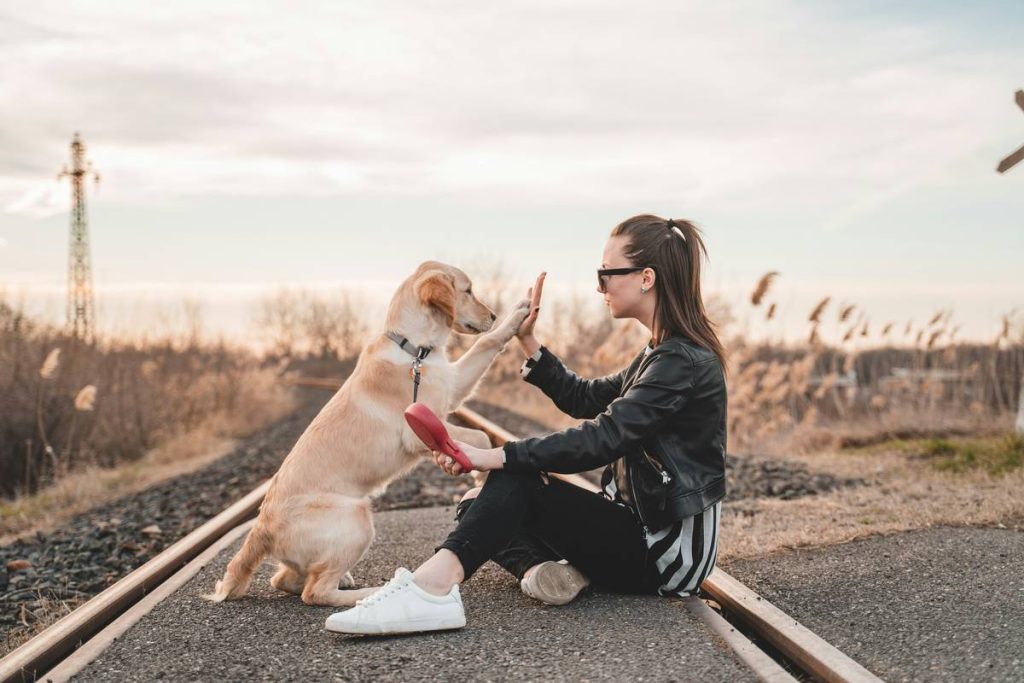
Most new dog owners try to force a sit—pushing down hips, yanking leashes, repeating “sit!” like a broken record. It rarely works. Worse, it erodes trust. Your Yorkie isn’t being stubborn; they’re confused. The fix? A precise, reward-driven approach that aligns with how dogs actually learn. That’s the positive sit training technique—and it’s shockingly simple once you ditch outdated coercion.
Why Traditional “Sit” Commands Backfire
Dogs don’t speak English. They respond to cause and effect. Shoving your Yorkie’s rear to the floor teaches them one thing: hands = pressure. Not “sit.” Worse, small breeds like Yorkies are sensitive—they shut down fast under force. And yelling? It just raises stress hormones. You’re not training behavior. You’re breeding anxiety.
Think about it: if someone shoved you into a chair every time they said “please,” would you feel cooperative—or cornered?
Step-by-Step positive sit training technique
This method uses lure-and-reward psychology. No pushing. No frustration. Just clarity and consistency.
Gather your tools
You need high-value treats (tiny, smelly, irresistible), a quiet space, and 90 seconds of focus. That’s it. Skip the clicker if you’re new—your voice works fine. Use a bright, happy “Yes!” as your marker.
Lure the motion
Hold a treat near your Yorkie’s nose. Slowly lift it upward—just above their forehead. As their head follows the treat, their bottom naturally lowers. The second it touches the floor? Mark it (“Yes!”) and deliver the treat. Repeat. Their brain connects the movement + sound + reward. Not obedience. Association.
Fade the lure
After 5–7 successful lures, show the treat—but don’t let them eat it until after the sit. Then phase out the food lure entirely. Use just your empty hand in the same motion. Add the verbal cue “sit” only when they reliably follow the hand signal. Timing is everything—say “sit” as their butt starts to drop, not before.

| Training Element | Traditional Method | Positive Sit Training Technique |
|---|---|---|
| Physical Contact | Pushes dog down | No contact—uses lure only |
| Verbal Cue Timing | Said repeatedly before action | Said precisely as action begins |
| Reward Delivery | Inconsistent or delayed | Immediate (<1 second after sit) |
| Stress Level | High (confusion, resistance) | Low (engagement, eagerness) |
Short sessions win
Three 30-second sessions per day beat one 10-minute slog. End on success—even if it’s imperfect. Your Yorkie should walk away thinking, “That was fun. When do we play again?”
The Industry Secret Most Trainers Won’t Admit
Here’s the reality: the “sit” itself isn’t the goal. What really matters is building a communication channel. Every perfectly timed reward wires your dog’s brain to look to you for guidance—not out of fear, but because you’re the source of good things. I’ve seen rescue Yorkies go from trembling to confident in 72 hours—not because they learned to sit, but because they learned to trust the process. And that trust transfers to every other command. The sit is just the entry point.
But—and this is critical—most owners sabotage themselves by rushing. They add distractions too soon. They skip marking the exact moment. They expect fluency in a day. Mastery lives in micro-moments. Not marathons.
Frequently Asked Questions
How long does positive sit training take for a Yorkie?
Most Yorkshire Terriers learn the basics in 2–4 short sessions. Full reliability in distracting environments may take 1–2 weeks of consistent practice.
Can I use toys instead of treats?
Yes—if your Yorkie is toy-motivated. But food rewards offer faster, clearer feedback during initial learning due to immediate consumption and dopamine release.
What if my dog jumps instead of sitting?
Lower your lure hand slightly. If they leap, withdraw the treat and pause. Try again slower. Jumping means the lure moved too high or too fast.