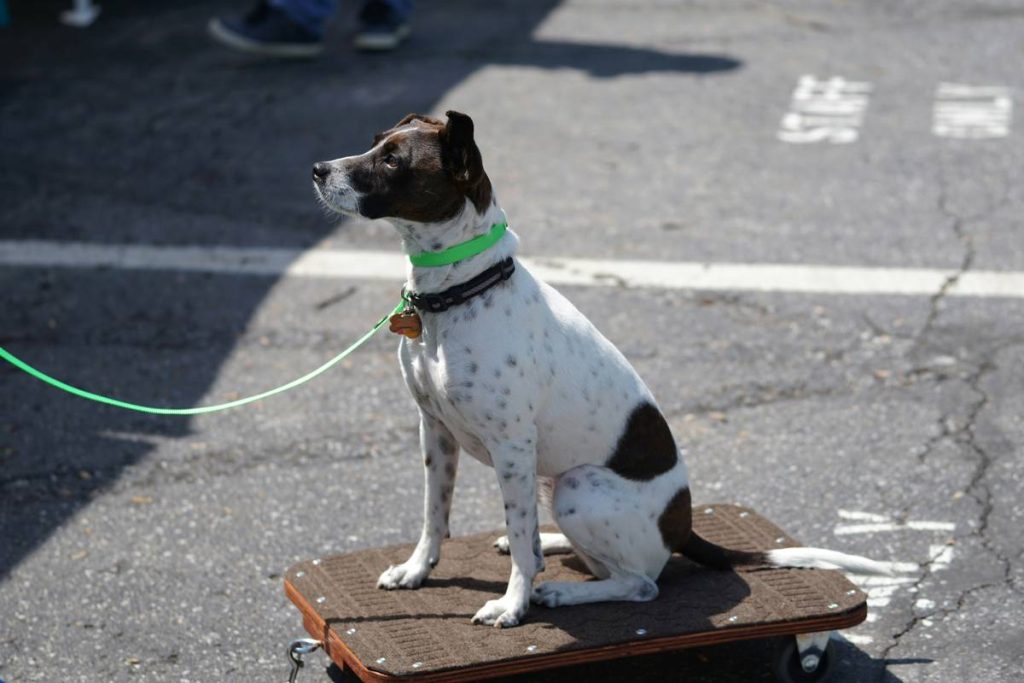
Your Yorkie ignores you when you say “sit.” Again. You’ve tried treats, praise, even gentle pressure—but nothing sticks. Frustration builds. Training feels like a chore, not a connection. Here’s the truth: most owners sabotage sit training before they even begin. But with the right Step-by-Step Sit Training method tailored to toy breeds, you can nail this foundational command in under a week.
Why Most Owners Fail at Teaching “Sit” (Even With Treats)
It’s not your dog’s fault. It’s the outdated technique. Many trainers still use “lure-and-pull”—holding a treat over the head and yanking upward. For a 4-pound Yorkshire Terrier? That’s uncomfortable. Sometimes painful. Their necks are delicate. And forcing posture breeds resistance—not cooperation.
Worse, people practice too long. Two-minute sessions turn into ten. Attention evaporates. The dog checks out. You’re left wondering why YouTube videos make it look effortless.
And here’s the hidden trap: inconsistent cues. Saying “sit,” “sit down,” and “okay sit?” in one session confuses your pup. Dogs don’t generalize language—they learn exact sounds. One word. One gesture. Period.
Step-by-Step Sit Training That Actually Works for Yorkies
Forget old-school pushing. This method respects your terrier’s size, intelligence, and stubborn streak—yes, that’s part of their charm. We use positive shaping, not physical manipulation.
Timing Is Everything: Capture the Natural Motion
Yorkies sit dozens of times a day—after sniffing, before jumping, mid-yawn. Your job? Catch it. The second their rump touches the floor, mark it (“Yes!”) and reward instantly. No commands yet. Just observation and reinforcement. In 24 hours, you’ll see them pause longer—anticipating the treat.
The Invisible Lure: Guiding Without Touch
Hold a soft treat near their nose—then slowly move it back toward their tail, just above eye level. Go slow. If done right, their head tilts up and their hips drop naturally. Click or say “Yes!” the millisecond they sit. Reward immediately. Never force the motion. If they jump or back up, lower the lure next time.
Adding the Cue—Only After They’re Fluent
Say “sit” as they’re already sitting—not before. This pairs the word with the action they already understand. Do this 5–7 times. Then test: say “sit” first. If they comply, jackpot reward. If not, go back to luring without the cue for another session. Patience beats repetition.

| Method | Time to Reliability | Risk of Confusion | Best for Yorkies? |
|---|---|---|---|
| Lure-and-Pull (hand over head + downward pressure) | 3–10 days | High (neck strain, learned helplessness) | No |
| Capture-and-Reward (observational timing) | 2–5 days | Low | Yes |
| Target Stick Shaping | 4–7 days | Medium (requires extra tool) | Optional |
| Our Step-by-Step Sit Training (invisible lure + delayed cue) | 1–3 days | Very Low | Yes – optimal |

The Industry Secret: Train During “Transition Moments”
Here’s what no one tells you: Yorkies learn fastest during behavioral transitions. Right after they pee. Before they leap onto the couch. When they pause between barks. These micro-moments are neural sweet spots—their brain is already shifting states, making new associations stick faster. Keep treats in your pocket during walks or play. The second they naturally sit post-potty? Mark it. Reward it. Repeat. You’ll build reliability without “training sessions.” Just life.
Frequently Asked Questions
How many times a day should I practice sit training?
Keep it to 3–5 brief sessions daily—each under 90 seconds. Better to have five perfect reps than twenty sloppy ones.
My Yorkie sits but won’t stay seated. What now?
You’re skipping the release cue. Always end with “Okay!” or “Free!” so they know sitting isn’t forever. Build duration later—master the basic first.
Can I use verbal praise instead of treats?
Not yet. Food drives initial learning. Once reliable (8+ correct sits in a row), phase to intermittent treats mixed with touch and voice.