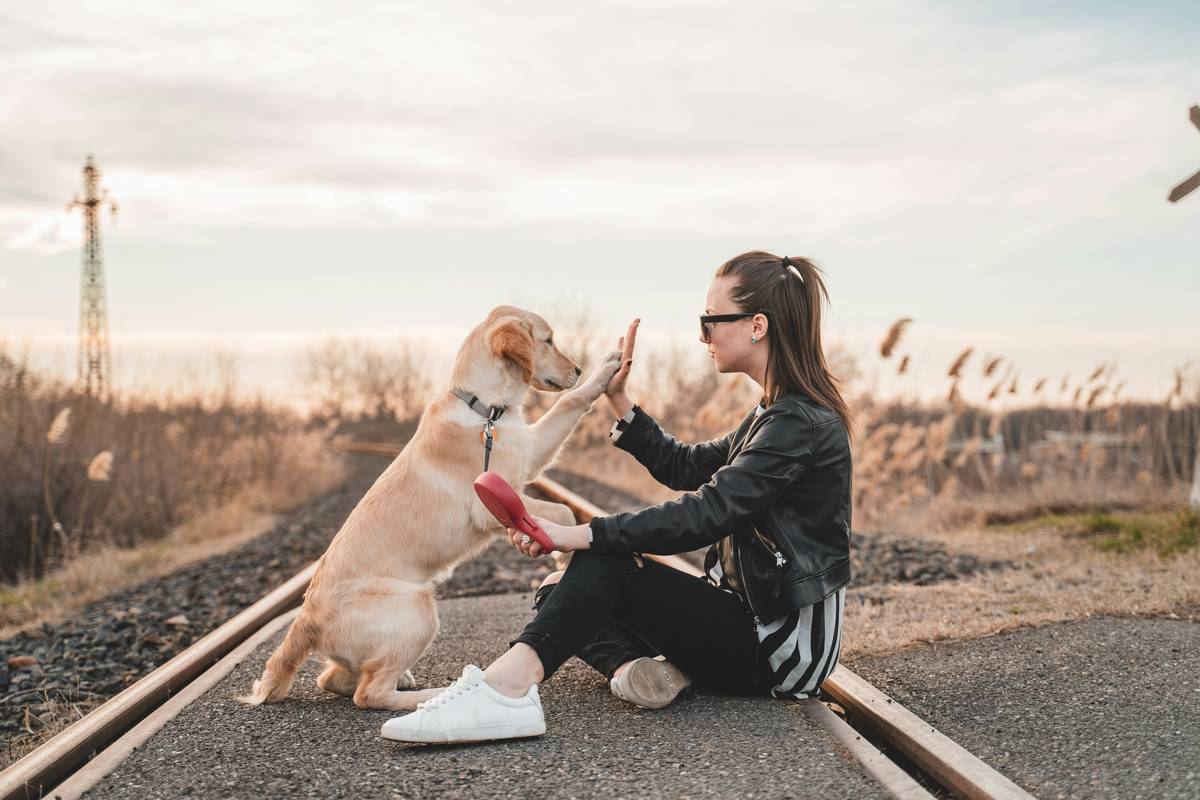
You’ve tried treats. You’ve used clickers. Maybe you even resorted to gently pushing your dog’s rear down—only to watch them pop right back up like a spring-loaded toy. Frustrating? Absolutely. And you’re not alone. Most owners think “sit” is the easiest command, but without the right approach, it becomes a daily tug-of-war. The fix isn’t more repetition—it’s smarter reinforcement. Enter the positive sit training method: gentle, science-backed, and shockingly effective when done right.
Why Traditional “Sit” Techniques Backfire
Dogs don’t speak English. They respond to consequences—not commands. Yet most owners bark “sit!” while yanking leashes or forcing posture. That creates confusion, not compliance. Worse, it erodes trust. Think about it: would you follow instructions from someone who shoved you into a chair?
And here’s what trainers won’t tell you—timing matters more than treats. Reward too late? Your pup links the prize to standing up, barking, or scratching their ear. Not sitting. The math is simple: mistimed reinforcement = reinforced chaos.
The Step-by-Step Positive Sit Training Method
Forget coercion. This version works with your dog’s natural instincts—not against them.
Lure With Precision, Not Pressure
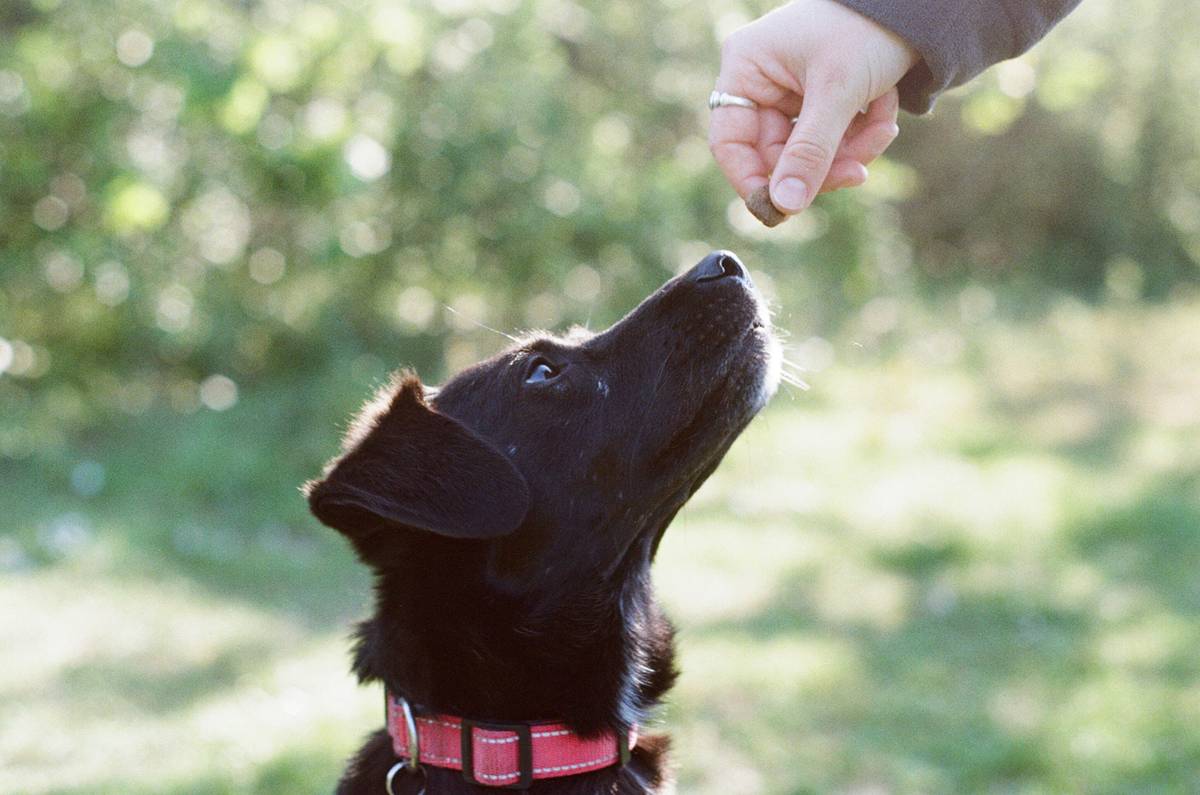
Hold a treat close to your Yorkie’s nose. Slowly lift it upward and slightly backward—just past their forehead. Their head follows the snack; their hips drop naturally. No pushing. No pulling. Just gravity and curiosity doing the work.
Capture the Moment—Exactly
The instant their bottom touches the floor—click (if using a marker) or say “yes!” in a bright tone. Then reward. Not a second later. Not after they stand. In that split-second of contact. Miss it? Reset. Try again. Precision builds clarity.
Phase Out the Lure—Fast
After 5–7 successful reps, hide the treat in your hand but mimic the same motion. Now your dog responds to the hand signal, not just the food. Within days, you’ll add the verbal cue “sit”—only after the behavior is rock-solid visually. Reverse that order, and you’re back to square one.
| Training Stage | What to Do | Common Mistake |
|---|---|---|
| Luring | Guide head upward with treat; let hips drop | Yanking treat too high—causes jumping |
| Marking | Click/say “yes!” the millisecond butt hits ground | Delaying reward—reinforces wrong behavior |
| Fading Cue | Switch to empty-hand motion before adding word | Saying “sit” too early—confuses association |
The Industry Secret: It’s Not About Sitting—It’s About Choice
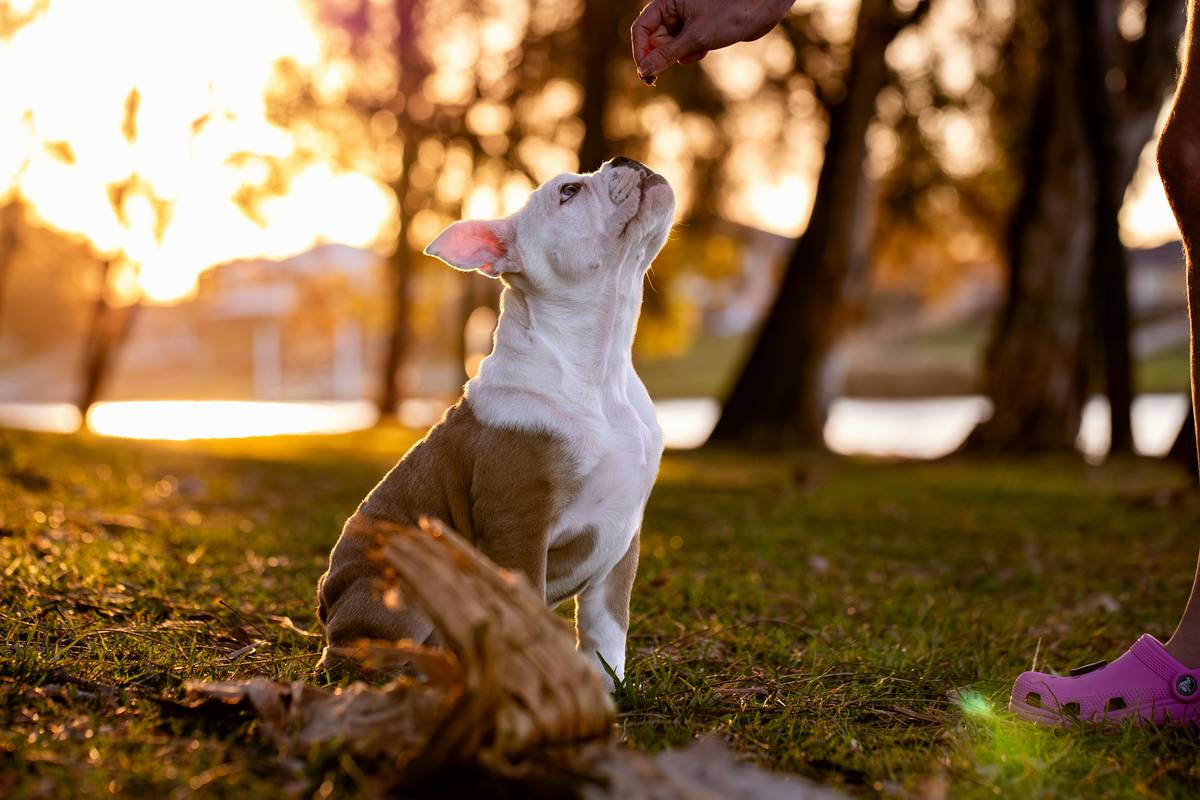
Elite trainers don’t just teach “sit.” They engineer moments where sitting feels like the dog’s idea. Here’s how: create mild environmental friction. Train near a low step, doorway, or grassy patch where standing requires slight effort—but sitting offers relief. Your pup chooses comfort. You quietly reinforce that choice. Over time, “sit” becomes their go-to default state—not because you demanded it, but because it’s rewarding on their terms. That’s behavioral psychology in action. And it sticks for life.
Frequently Asked Questions
How long does positive sit training take?
Most Yorkies nail it in 3–5 short sessions (under 5 minutes each). But consistency beats duration—two sloppy 20-minute drills won’t beat crisp, focused bursts.
Can I use praise instead of treats?
Only after the behavior is reliable. Early on, food delivers instant, unambiguous value. Praise alone is too vague for initial learning—sorry, “good boy” doesn’t cut it neurologically.
My dog sits, then immediately stands. What now?
Don’t reward the stand. Wait them out. The moment they re-sit voluntarily—even by accident—mark and reward fiercely. You’re shaping duration, not just the act.