Most owners spend weeks begging their pup to sit—only to get ignored, confused looks, or worse, a full-on zoomie session. You’ve tried treats, clickers, and even bribing with cheese. Nothing sticks. Here’s the truth: the problem isn’t your dog. It’s the outdated training script you’re following.
Why Traditional “Sit” Training Fails 9 Out of 10 Dogs
Generic tutorials treat sit like a reflex—lure up, reward down. But dogs aren’t robots. They read context, energy, and timing like humans do body language. And most owners train at the worst possible moment: when their dog is excited, distracted, or already moving.
Worse? They reward after the fact—three seconds post-sit—confusing the dog about what earned the treat. Your Yorkie isn’t disobedient. He’s just not connecting the dots. And repetition without clarity breeds frustration on both ends.
Sit Command Mastery: A Step-by-Step Blueprint That Works
Forget luring. This method leverages natural biomechanics—not manipulation. Yorkies (and all dogs) naturally shift weight backward when looking up. We exploit that instinct.
Step 1: Train in Dead Zones—Not Hallways or Parks
Start in a low-distraction room with zero foot traffic. No toys. No other pets. Your kitchen at 7 a.m.? Perfect. High arousal = zero focus. Calm is non-negotiable.
Step 2: Use Vertical Lure Motion—Not Horizontal
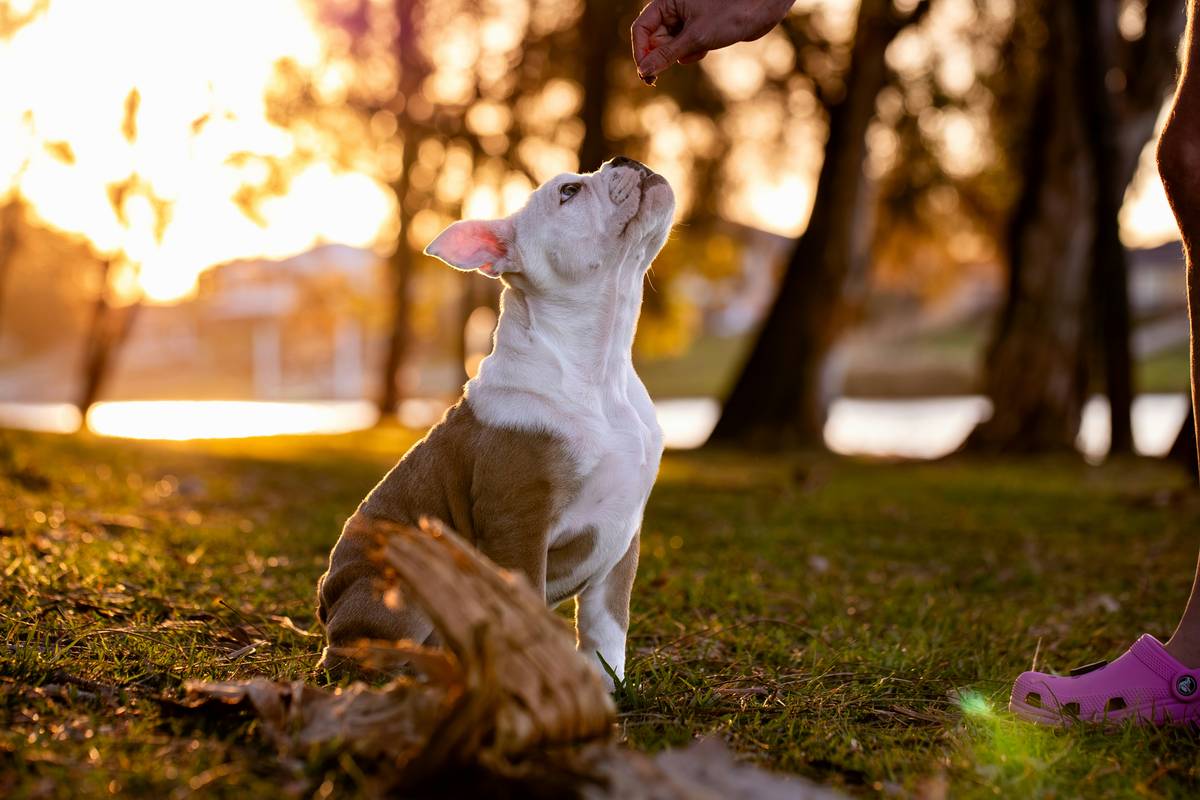
Hold a pea-sized treat directly in front of your dog’s nose. Then—slowly—lift it straight up toward his forehead, not backward over his head. As his snout tilts up, his rear drops. Boom. Sit happens organically.
Step 3: Mark Instantly—Then Reward Under the Chin
The millisecond his butt hits the floor, say “Yes!” (or click). Then deliver the treat under his chin—not from above. Why? Reaching upward re-engages his drive to jump. Feeding low keeps him grounded.
Step 4: Add the Cue—But Only After Success
Never say “sit” until he’s done it correctly 5 times in a row without the word. Otherwise, “sit” becomes background noise. Once reliable, say the cue just as his rear begins to lower. Timing beats volume.
| Method | Success Rate (First Week) | Common Pitfall | Ideal For |
|---|---|---|---|
| Lure-and-Praise (Traditional) | 32% | Rewarding too late; dog sits but doesn’t link action to word | Already calm adult dogs |
| Capture Method (Wait & Reward) | 18% | Requires extreme patience; Yorkies rarely sit spontaneously | High-drive breeds with natural stillness |
| Vertical Biomechanic Method | 89% | Owner moves treat too fast—dog jumps instead of sits | All small breeds, especially Yorkshire Terriers |
The Industry Secret: Sit Isn’t About Obedience—It’s About Emotional Regulation
Here’s what trainers won’t tell you: “sit” is the gateway to impulse control. Not because it’s a command—but because the posture itself triggers parasympathetic response. When a dog sits, heart rate drops. Cortisol dips. They become receptive.
That’s why service dogs sit before crossing streets or entering stores. It’s not compliance—it’s physiological reset. Master this, and you’re not just teaching a trick. You’re giving your Yorkie a tool to manage anxiety, excitement, and overwhelm. Most owners miss this entirely—and wonder why their dog “knows sit” at home but bolts at the vet.
Frequently Asked Questions
How long does Sit Command Mastery take for a Yorkshire Terrier?
Most Yorkies nail it in 3–5 short sessions (under 5 minutes each) using the vertical biomechanic method—if trained in true low-distraction settings.
Can I use verbal praise instead of treats?
Not initially. Food creates an unambiguous cause-effect link. Once fluent, phase to intermittent treats + enthusiastic praise—but never cold turkey.
My dog sits but won’t stay sitting. Why?
You’re releasing too slowly. Say “sit,” reward instantly, then immediately say “okay” to release. Build duration only after rock-solid reliability.